IOD Handbooks
“Extensive collection of corporate topical subjects of Handbooks”
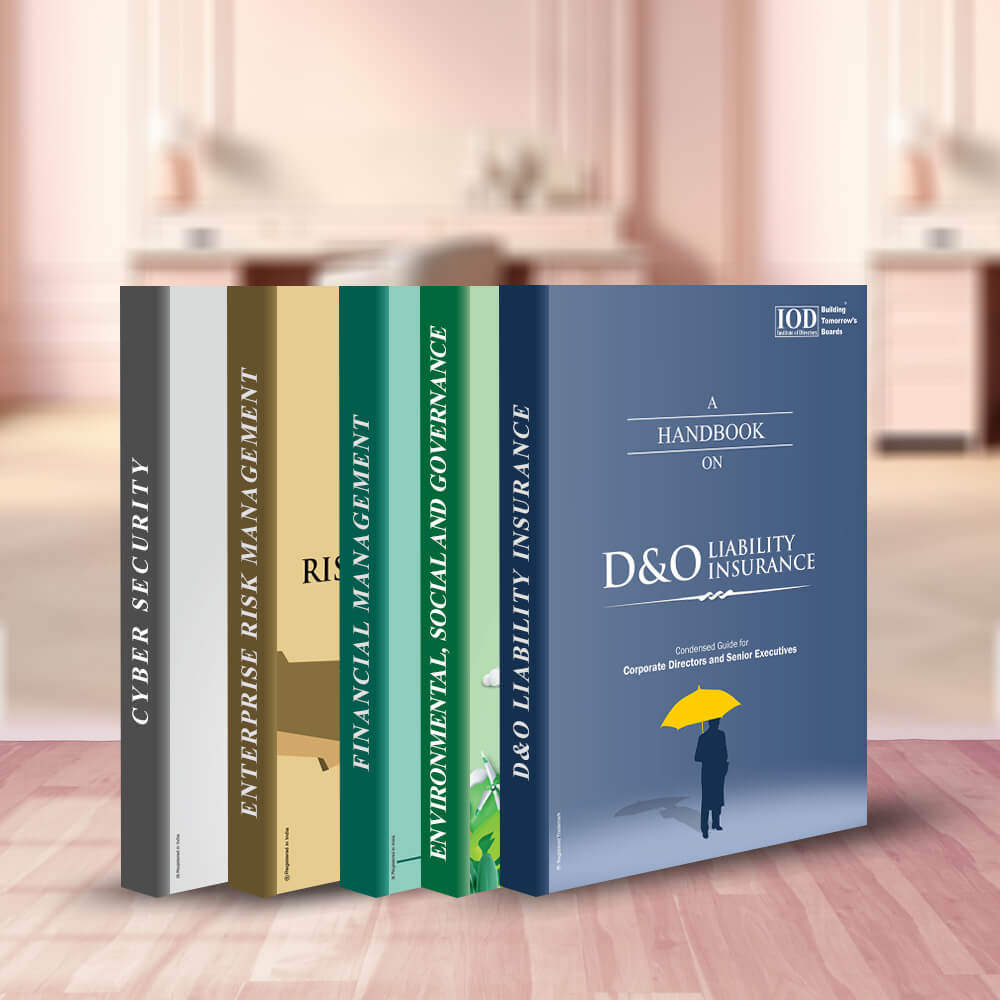
“Extensive collection of corporate topical subjects of Handbooks”

Available @ Price of INR 18,360/-
(to avail use promo code)
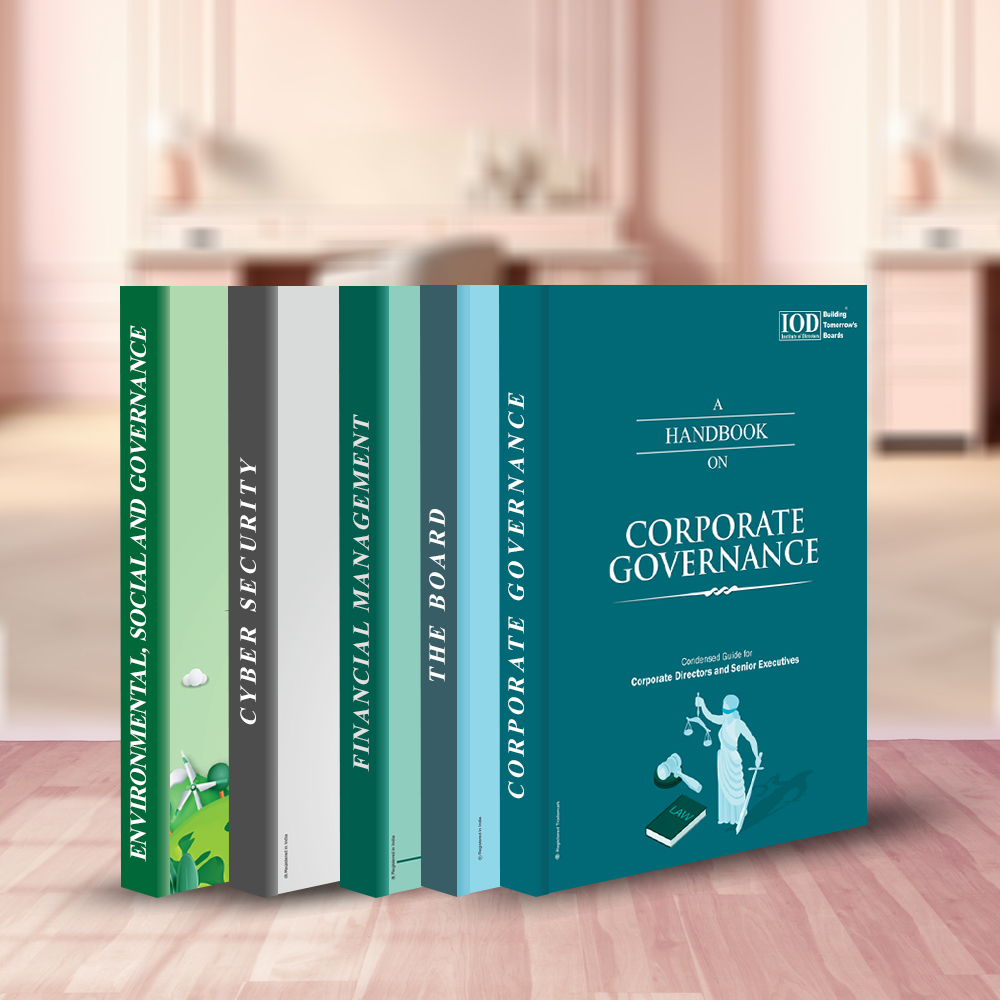
Available @ Price of INR 7,400/-
(to avail use promo code)
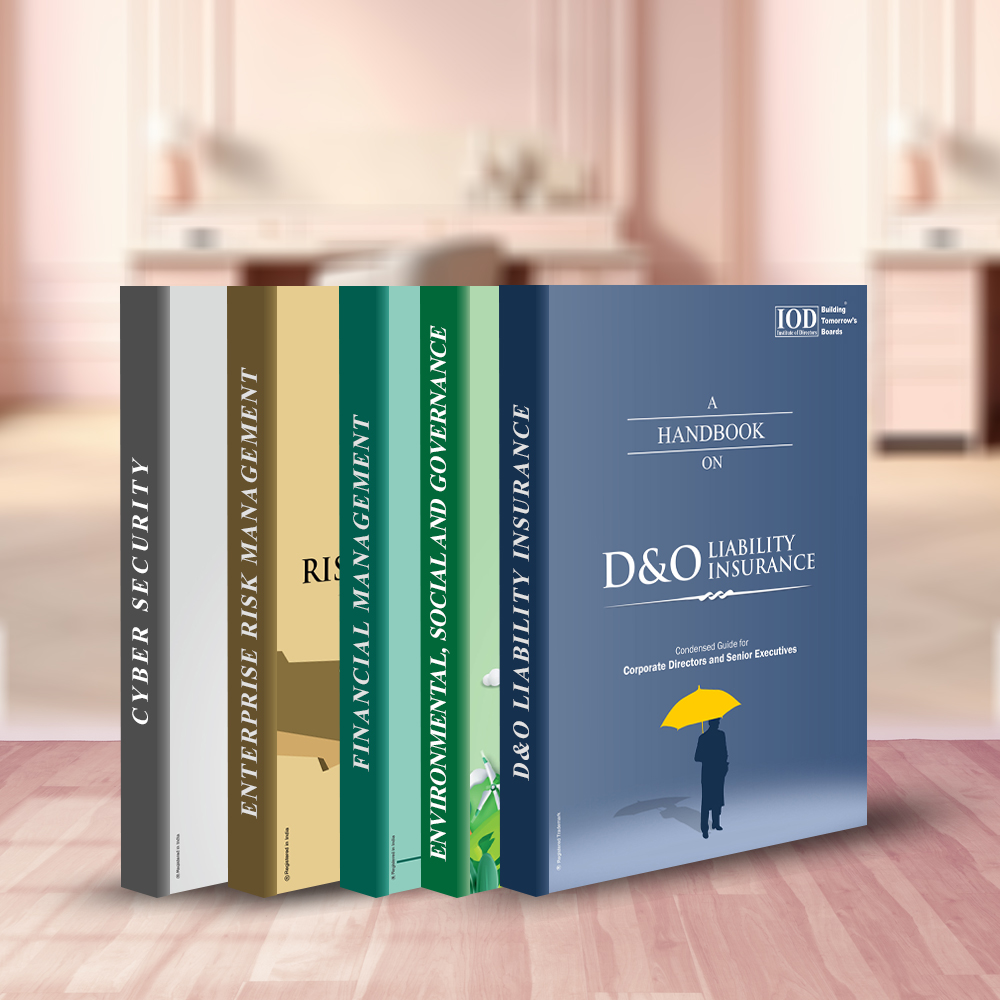
Available @ Price of INR 7,200/-
(to avail use promo code)

1,000 copies sold annually
Available @ Price of INR 18,360/-
(to avail use promo code)
Available @ Price of INR 7,400/-
(to avail use promo code)
Available @ Price of INR 7,200/-
(to avail use promo code)
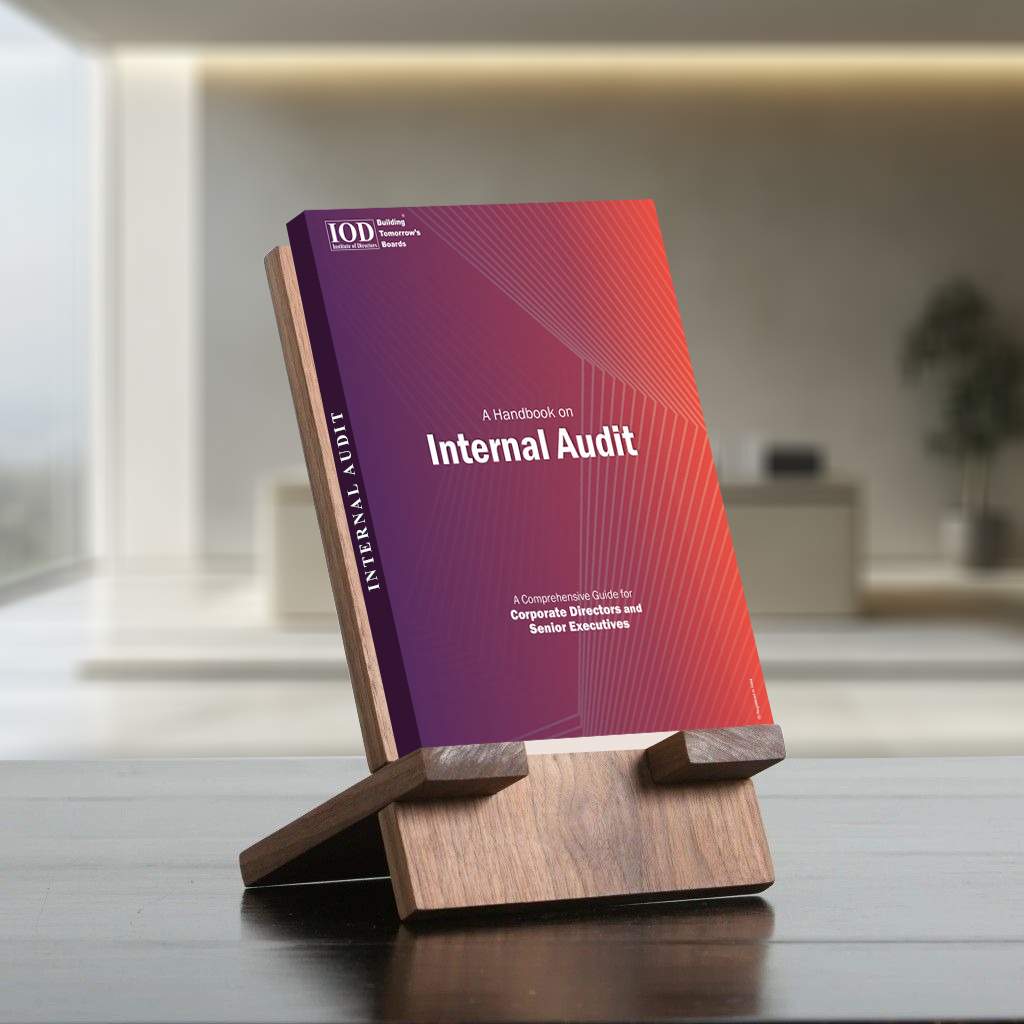
We purchased 100 copies of the Handbook on Internal Audit. It is highly readable, crisp, and lucid in style. It covers all about Internal Audit in a nutshell. It is small in size but covered all the salient features of the subject. We distributed it to conference delegates free of cost. The delegates have appreciated that it is a valuable book for their study.
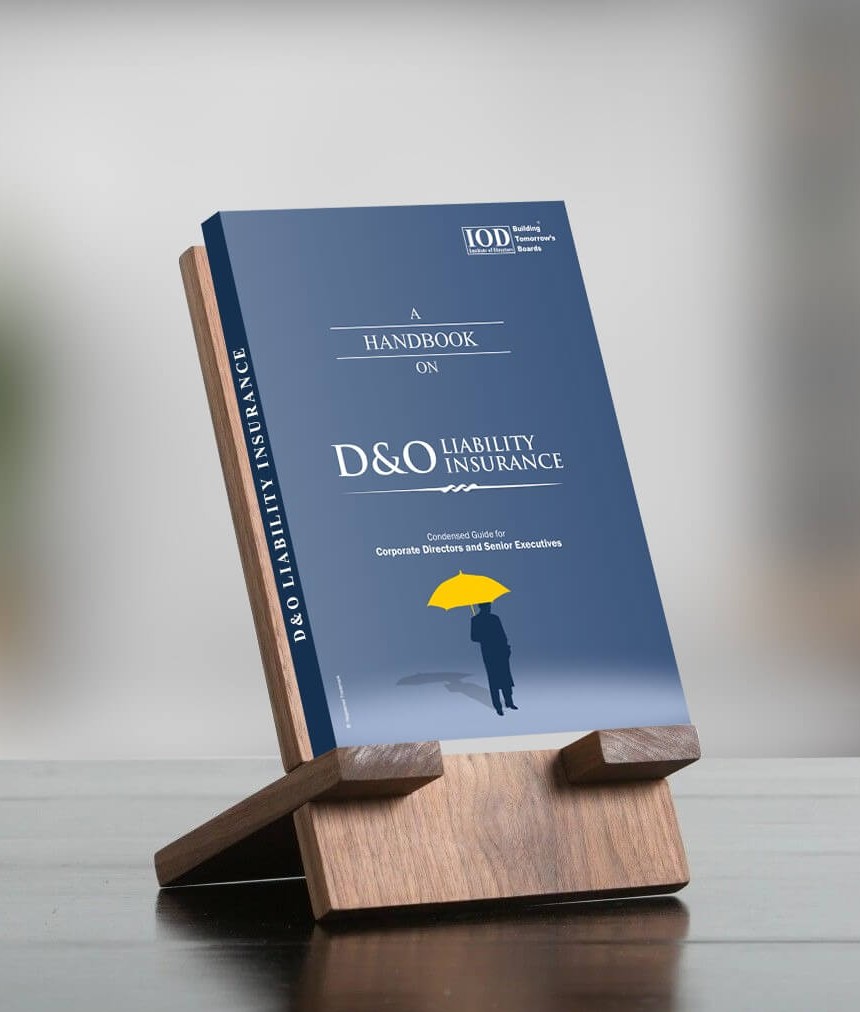
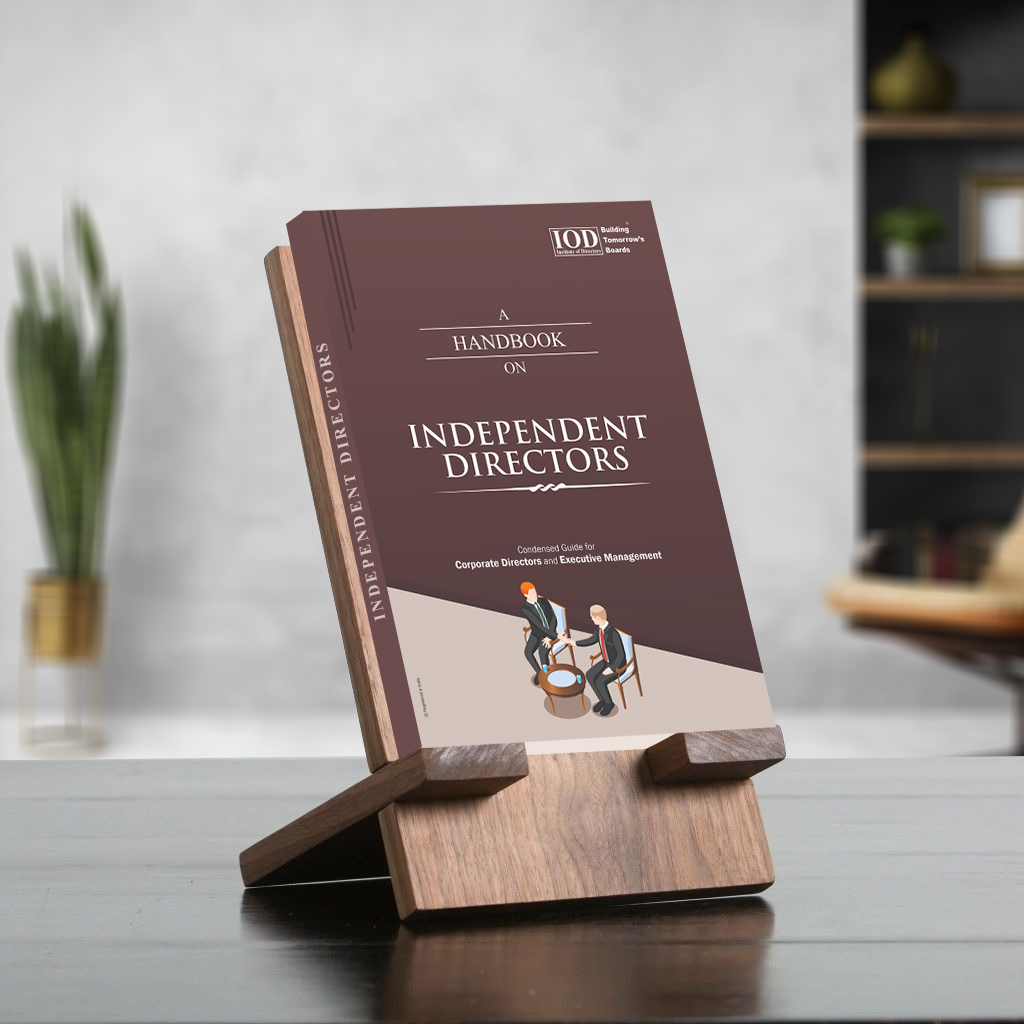
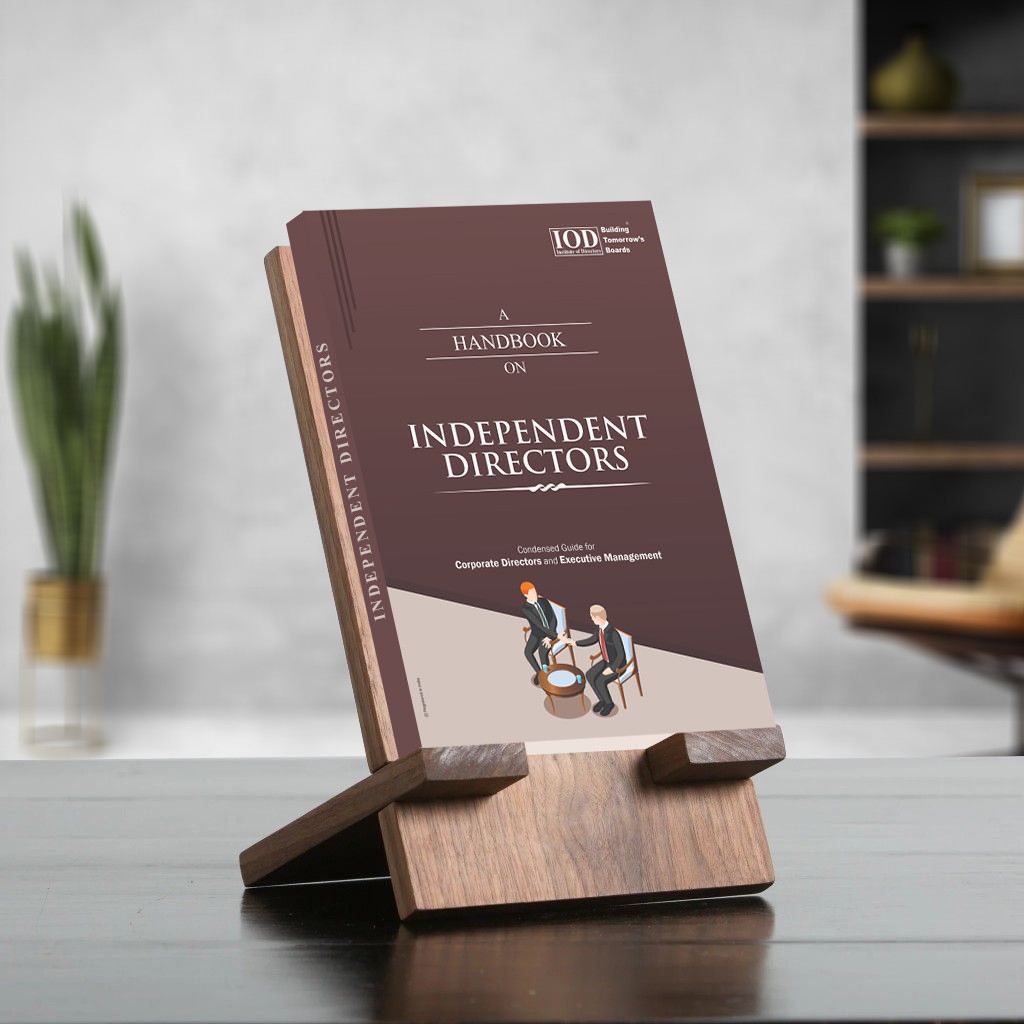
I found the 'Independent Directors' Handbook valuable for running my company. I’ve spent the last 8 months gaining new clients, and I am focusing on scaling the company. I am happy that my reputation and high quality are appreciated on the Polish market - I gained governmental institutions and state-owned companies as my clients, so it helps me for sustainable growth.
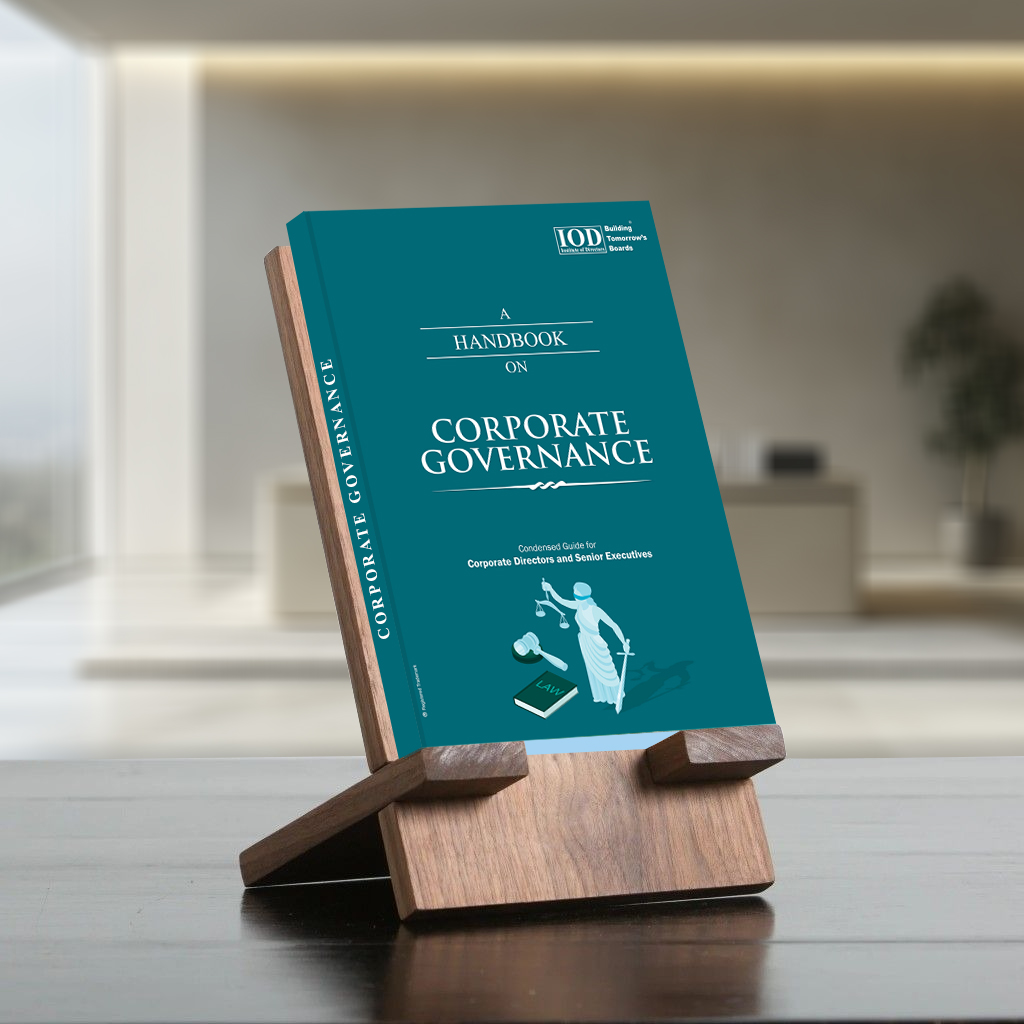
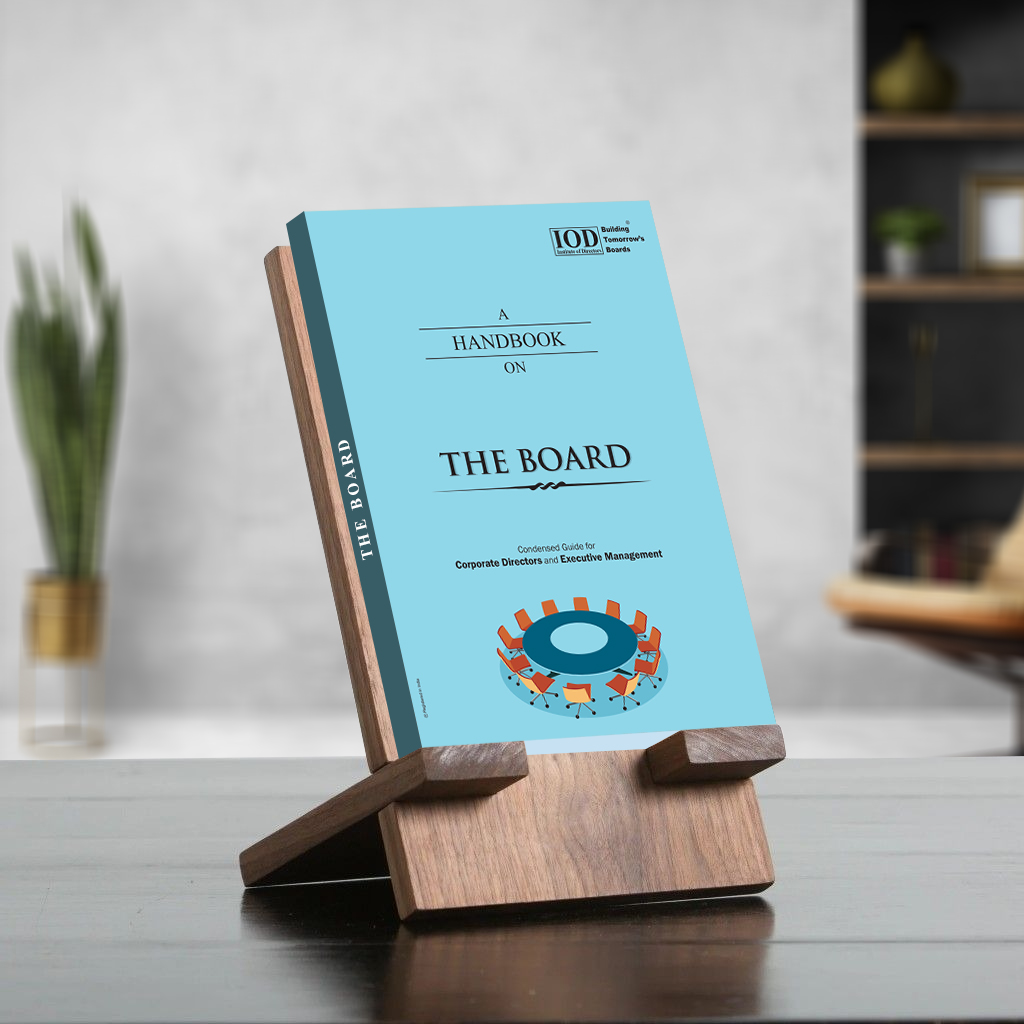
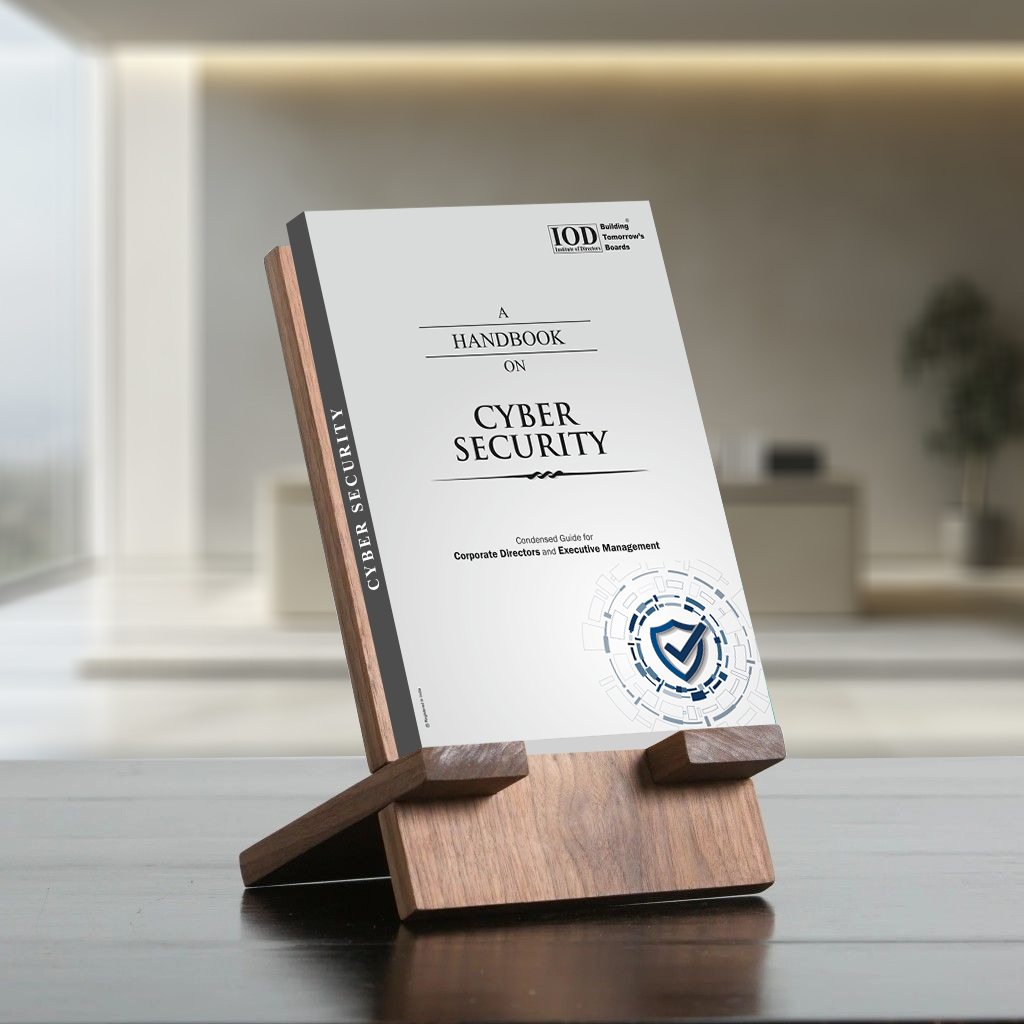
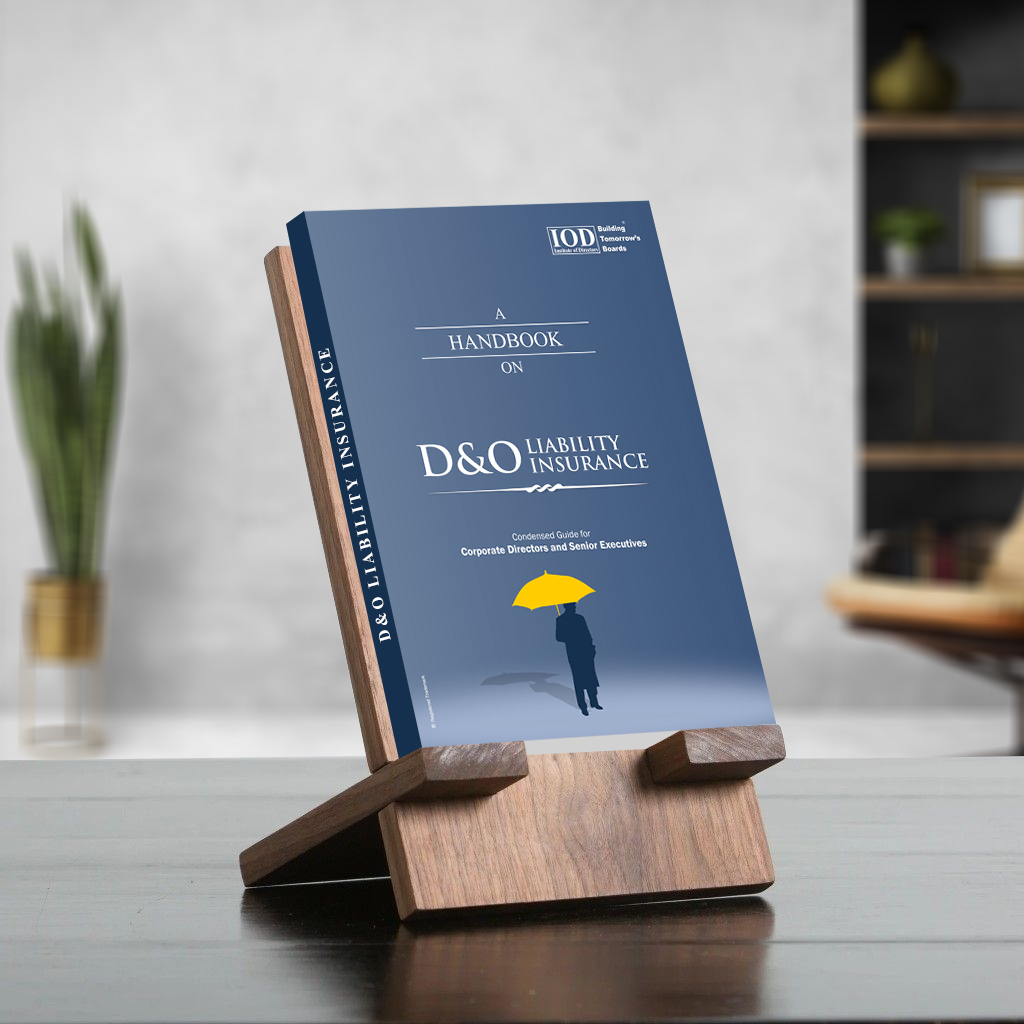
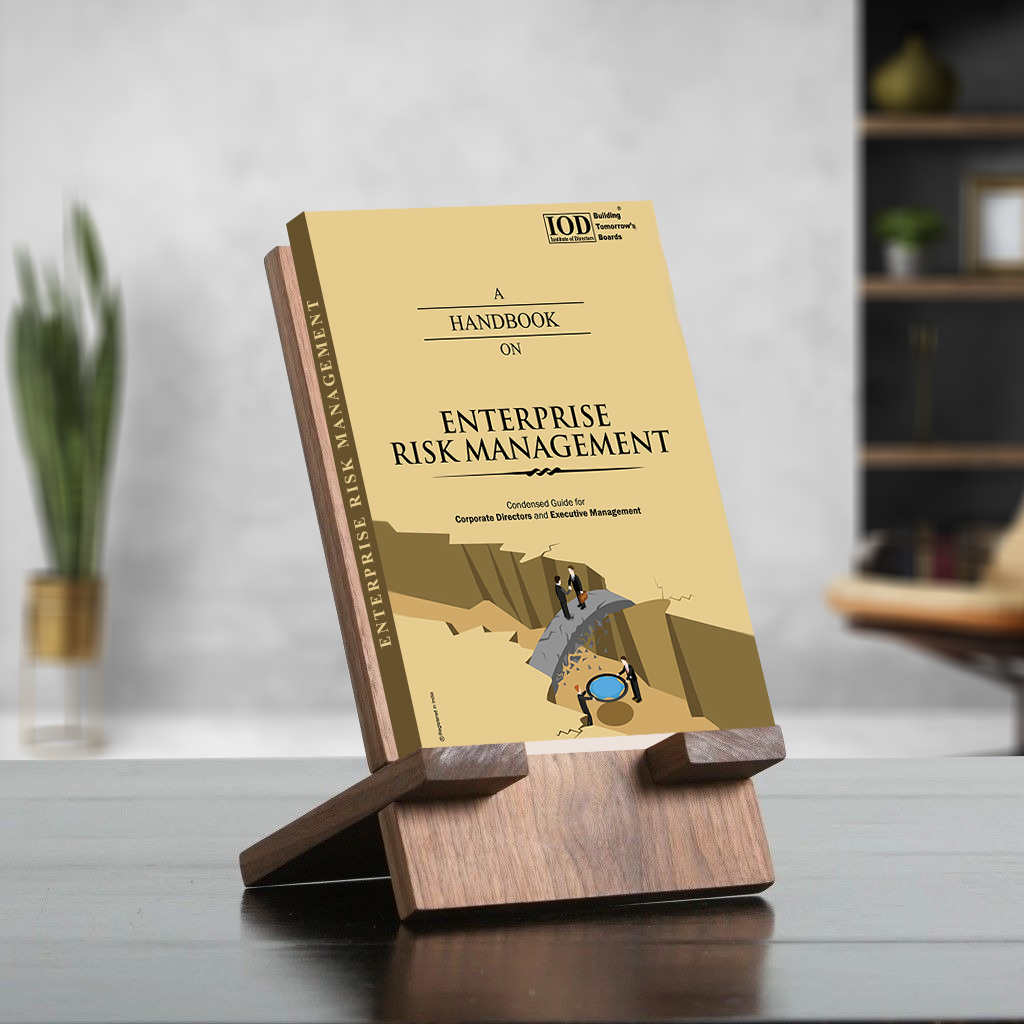
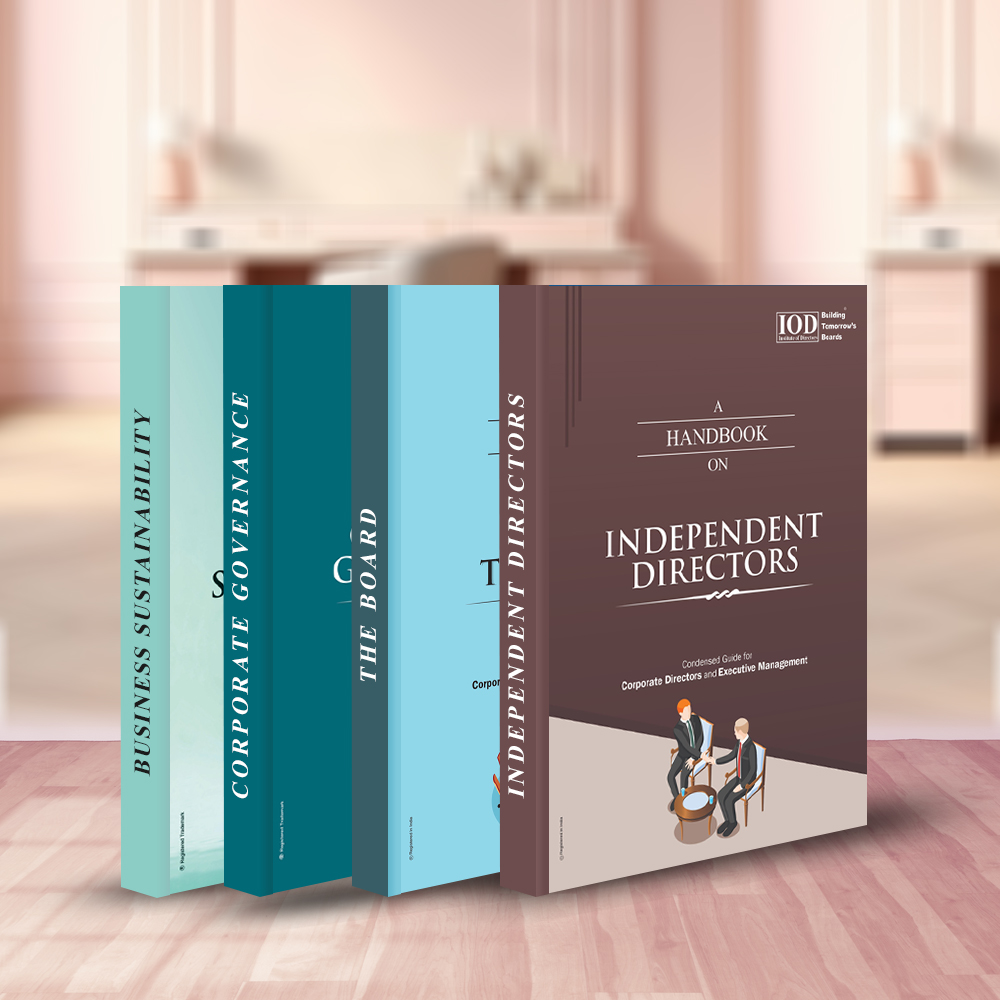
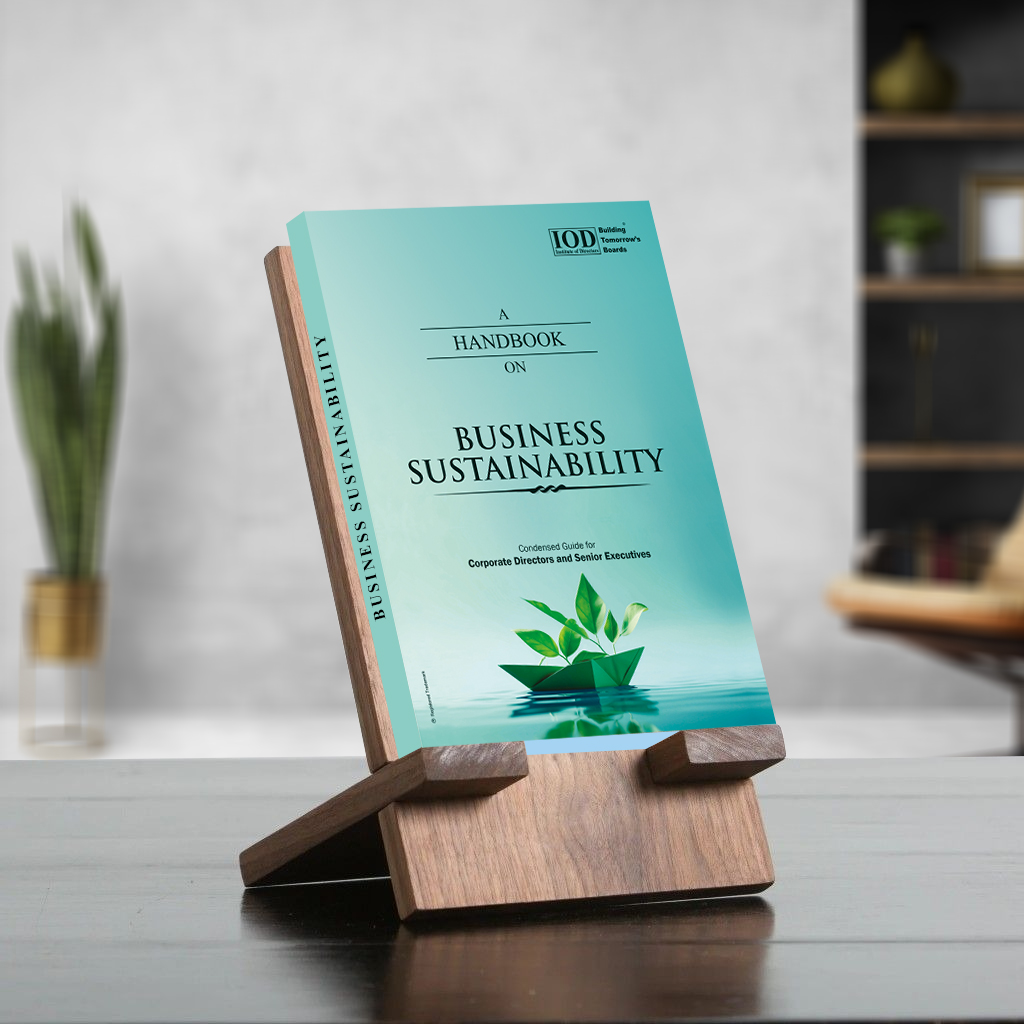
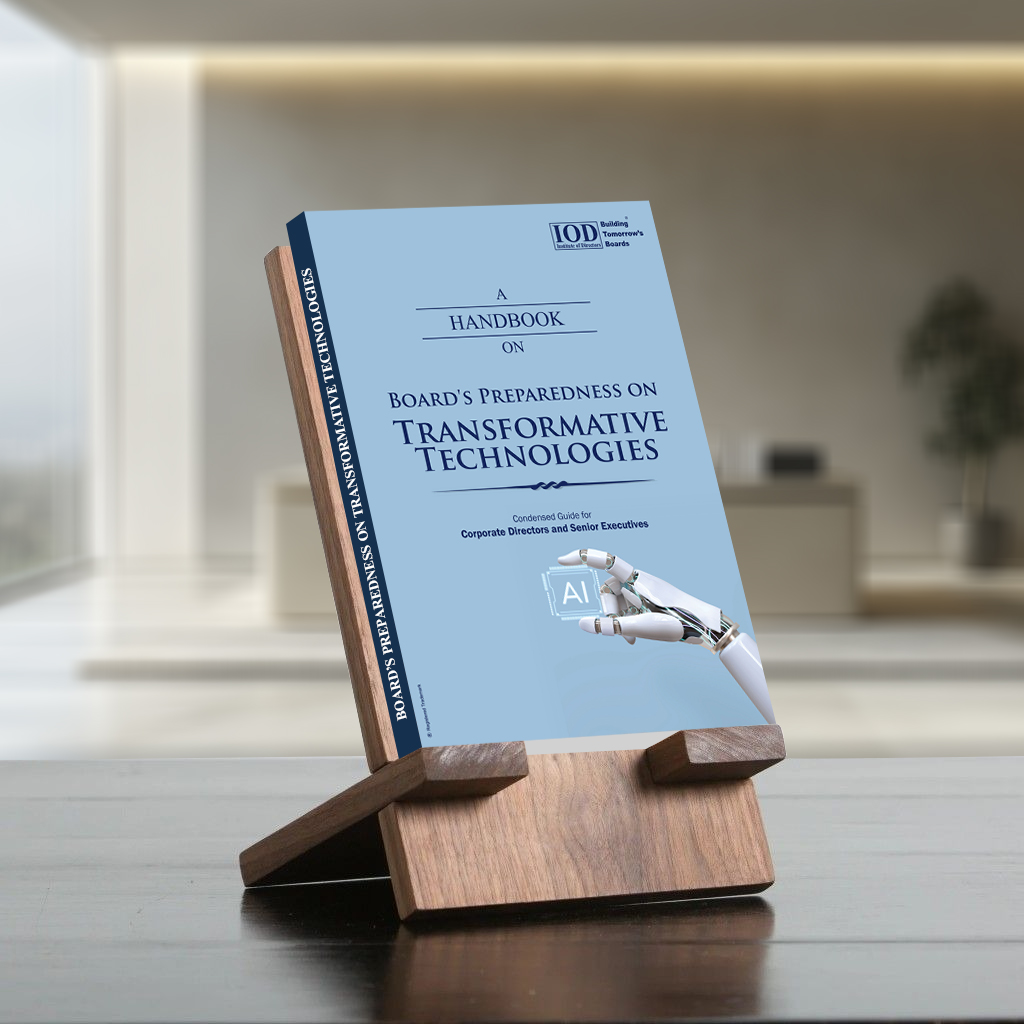
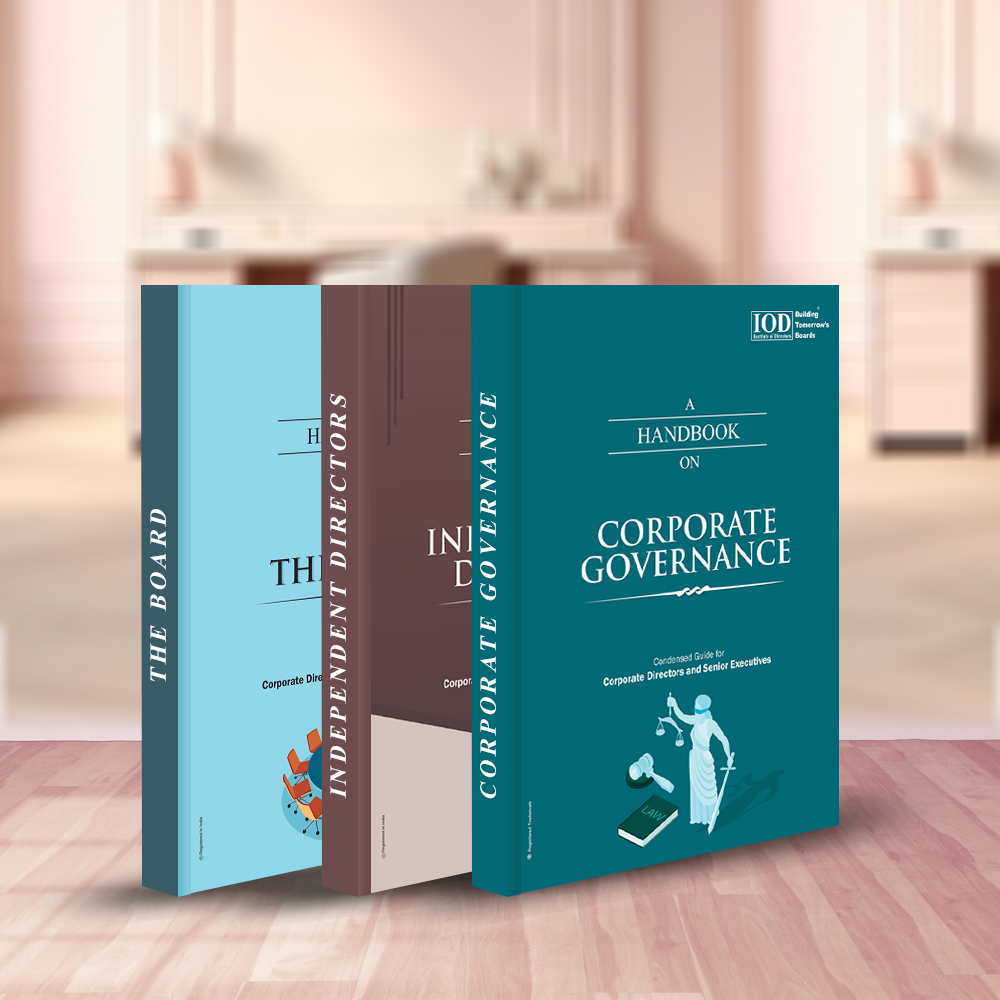
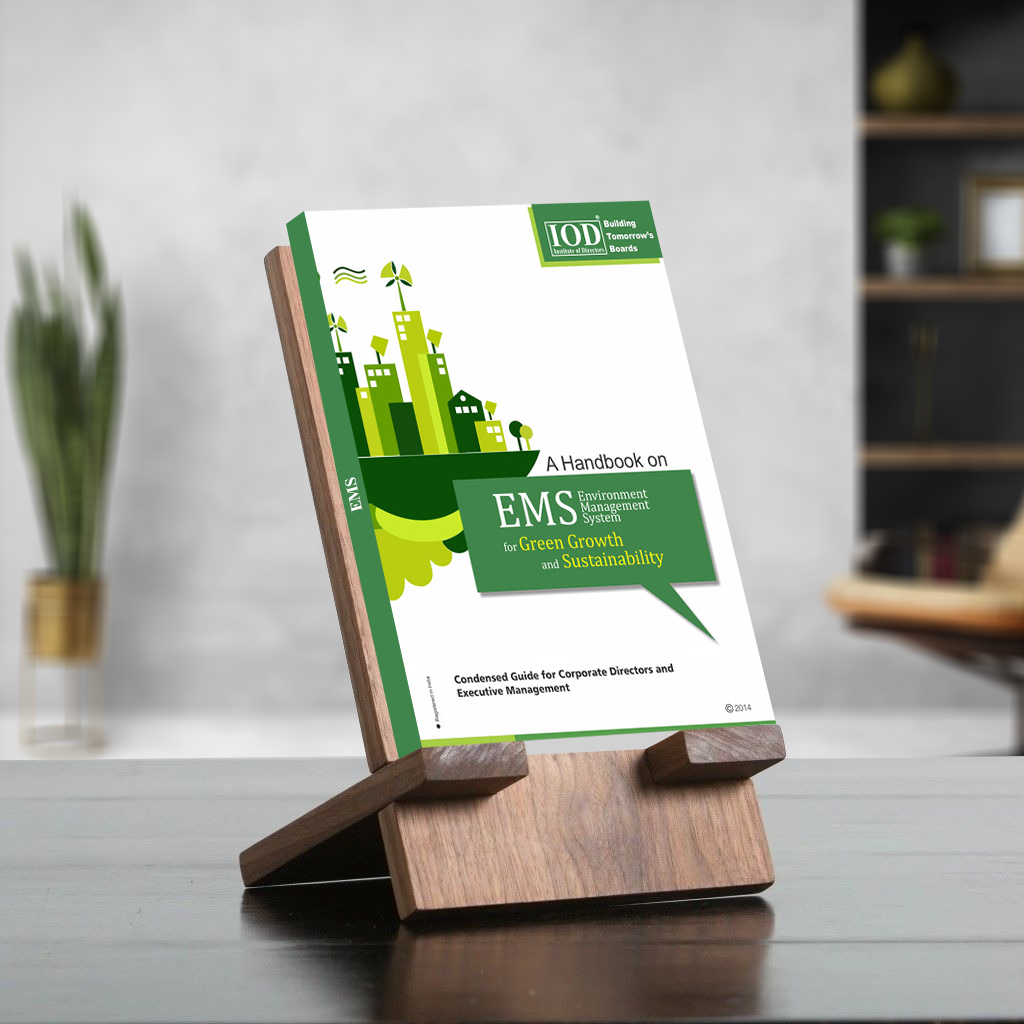
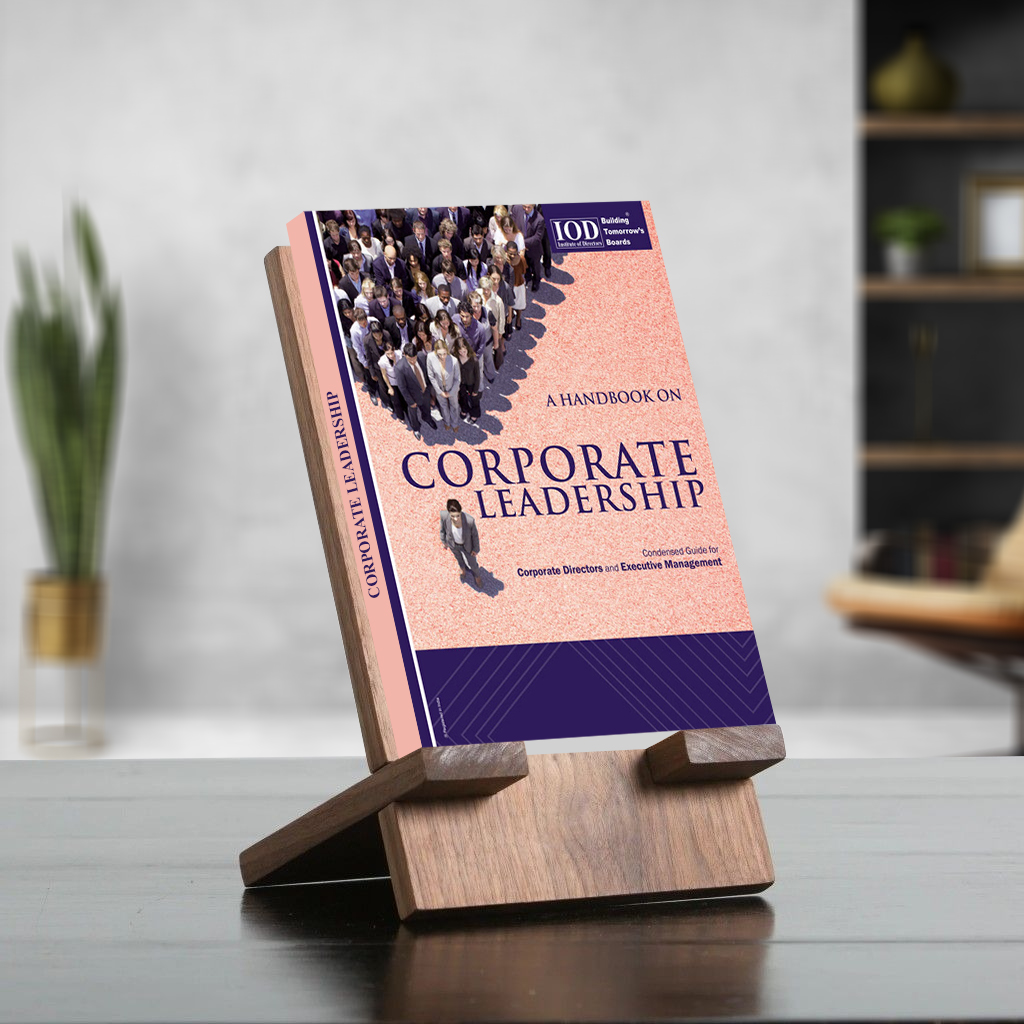
The books cover a variety of topics ranging from the role of Independent Directors, Corporate Governance, and Environmental, Social and Governance (ESG). Another important book covers the role of the Board in implementing transformative technologies.
A must read and reference for Directors, Chartered Secretaries, legal professionals and the Corporate Governance fraternity at large. A valuable guide to understanding Director`s duties, responsibilities, liabilities, safe guards and insurance as no other. Mr. Umesh Pratapa has poured into this, all his decades of practical experience and academic work to excellent effect.
Can you put together a lawyer, an underwriter, a broker and a teacher? Remember to add a generous dose of humility. This chemistry will deliver the desired distillate - P. Umesh - if allowed to brew for a minimum of four decades. Whilst on this, the time machine will teleport you from well ahead of the Bhopal Gas incident to well past the Satyam Computers scandal.
As boards reconcile with the idea of governance and the trajectory evolves beyond Environment, Social and Governance (ESG) - hear out the author of this handy book connect all legalese to eye-opening case stories. Thereby paving the way from a standalone D&O to a holistic management liability to manifestations of emerging #polycrisis. The runway and flight path are all set...
Definitely good material, reasonably priced.
For my preparation, I referred to the IOD publications, which proved to be extremely helpful in getting ready for the exam.
We respect your privacy. Unsubscribe anytime.
No, all orders are required to be prepaid. We do not provide COD facility.
Yes, all the offer and discount will be available on website from time to time.
For orders within India – Courier charges are levied as per actuals. Can proceed through website. For International Orders – Courier charges are levied as per actuals. Please write to us at info@iodglobal.com
Sure, please write to us on info@iodglobal.com with the following details:
Yes, our Handbooks are available on Amazon Kindle & Google Play.
Yes, please write to us on info@iodglobal.com along with your order requirements.
No, we do not facilitate any refunds or returns, as per IOD’s standard policy.




 Go to Cart